
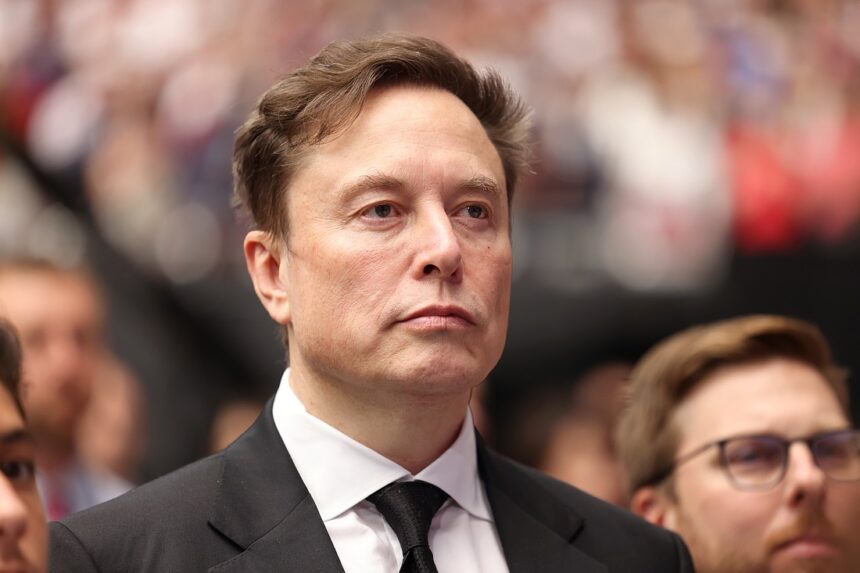
Tesla and SpaceX CEO Elon Musk has reignited debate over the oversight of US-funded humanitarian assistance after highlighting a case involving the alleged diversion of aid intended for civilians in Syria.
Reacting to a social media post referencing a criminal case investigated by US authorities, Musk stated that “USAID funding was used for terrorism,” drawing attention to concerns about the misuse of humanitarian resources in conflict regions.
Syrian National Accused of Diverting Aid
The discussion centres on a 2024 case announced by the United States Agency for International Development Office of Inspector General (USAID-OIG).
According to US authorities, Syrian national Mahmoud Al Hafyan was charged in a multi-count indictment alleging that he diverted more than $9 million in US-funded humanitarian assistance intended for Syrian civilians.
Also Read – Ketan Agarwal Murder Case: Police Allege Multiple Failed Attempts Before Lohagad Fort Murder
Investigators alleged that portions of the aid were redirected to armed groups, including the Al-Nusrah Front, an organisation previously designated by the United States as a foreign terrorist group linked to al-Qaida.
US Officials Describe Serious Breach
At the time of the indictment, federal prosecutors and investigators described the alleged diversion as a significant misuse of humanitarian resources.
Officials stated that aid intended for vulnerable civilians was instead allegedly used to benefit armed organisations and enrich individuals involved in the scheme.
The investigation involved cooperation between the USAID Office of Inspector General, the Federal Bureau of Investigation (FBI), and federal prosecutors.
Oversight Challenges in Conflict Areas
The case has renewed scrutiny of the challenges associated with delivering humanitarian aid in active conflict zones.
Oversight reports and Inspector General findings have repeatedly identified risks of aid diversion in areas affected by conflict, particularly where governance structures are weak and monitoring access is limited.
USAID has acknowledged such risks and has implemented screening procedures, partner vetting systems, sanctions checks and anti-terrorism compliance measures designed to prevent assistance from reaching prohibited organisations.
Previous Concerns and Investigations
Concerns regarding aid diversion have surfaced on multiple occasions over the past two decades.
Past audits and investigations have highlighted vulnerabilities in humanitarian operations conducted in Syria and other conflict-affected regions. In some cases, programmes were suspended following findings that assistance had been diverted away from intended beneficiaries.
Also Read – Trump Claims Iran Accepted Extensive Nuclear Inspections, Tehran Rejects Assertion
USAID oversight bodies have stated that monitoring and accountability mechanisms continue to be strengthened to reduce risks and improve transparency.
Ongoing Reviews Continue
Recent oversight reports have identified conflict zones, including Syria and Gaza, as areas requiring heightened monitoring due to the risk of misuse of humanitarian assistance.
While authorities have documented individual cases of diversion and fraud, US government reviews have also emphasised that such cases do not necessarily indicate systematic support for terrorist organisations.
Investigations into aid diversion allegations remain ongoing, with oversight agencies continuing to examine humanitarian programmes in high-risk environments.