
Sweeping Expansion of Immigration Restrictions
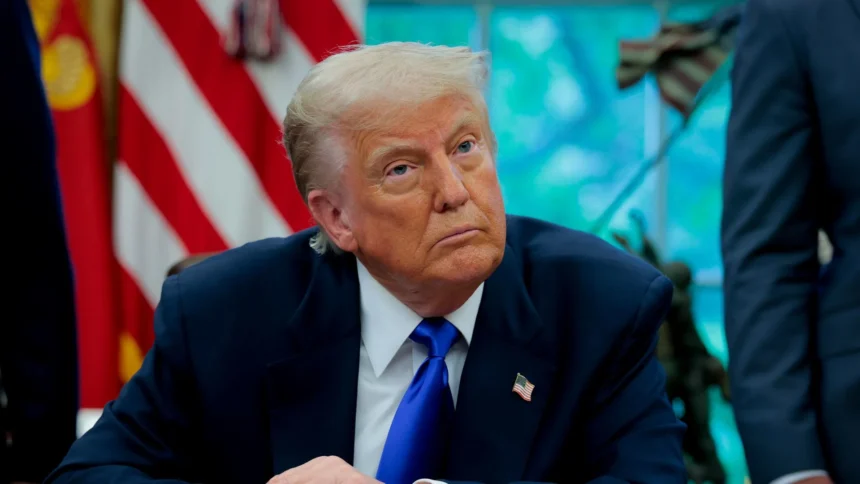
The United States will implement a significantly expanded travel ban from January 1, 2026, under an executive order issued by former President Donald Trump. The updated framework applies full or partial entry restrictions to 39 countries, marking one of the most extensive immigration actions of Trump’s second term.
The new order builds upon restrictions introduced in June 2025, but widens their scope and rationale, citing national security risks, administrative failures, and immigration enforcement challenges.
Beyond Terrorism: Broader Justifications
Unlike earlier travel bans that focused primarily on counterterrorism, the expanded policy outlines a broader matrix of concerns. These include unreliable civil documentation systems, weak identity verification, lack of information-sharing with US authorities, high visa overstay rates, refusal to accept deported nationals, corruption, and vulnerabilities arising from citizenship-by-investment (CBI) programmes.
Trump said the US “must exercise extreme vigilance” and cannot admit travellers from countries that fail to meet minimum screening and vetting standards.
Countries Under Full and Partial Bans
The order continues full entry bans on nationals from Afghanistan, Burma, Chad, Republic of the Congo, Equatorial Guinea, Eritrea, Haiti, Iran, Libya, Somalia, Sudan and Yemen, while partial restrictions remain for Burundi, Cuba, Togo and Venezuela.
New countries added to the full-ban list include Burkina Faso, Mali, Niger, South Sudan and Syria, citing active conflict, terrorist activity, or lack of government control. Individuals travelling on documents issued by the Palestinian Authority have also been placed under full restrictions.
Also Read – Bondi Beach Attack: Suspect Naveed Akram Charged With 59 Offences After Regaining Consciousness
Two countries—Laos and Sierra Leone—have been upgraded from partial to full bans. Additionally, 15 countries, including Nigeria, Senegal, Tanzania, Zambia and Zimbabwe, have been placed under partial restrictions, affecting immigrant visas and select non-immigrant categories.
The only easing announced was for Turkmenistan, where restrictions on non-immigrant visas were lifted following improvements in identity management and information-sharing.
Visa Overstays and Documentation Risks
The administration cited data showing overstay rates exceeding 20–35% for certain countries in tourist and student visa categories. It also flagged weak or paper-based birth registration systems and document fraud as major vulnerabilities.
CBI programmes were highlighted as enabling identity substitution, allowing individuals to bypass country-based restrictions.
Exceptions and Waivers
The ban does not apply to lawful permanent residents, holders of valid existing visas, diplomats, certain international officials, athletes attending major sporting events, and select special immigrant visa holders. Case-by-case waivers remain available where entry is deemed to serve US national interests.
Also Read – Rahul Gandhi Visits BMW Plant in Germany, Highlights Indian Engineering and Manufacturing Challenges
Part of a Broader Immigration Crackdown
The administration described the policy as both a security measure and diplomatic pressure tool, with reviews scheduled every 180 days. Countries demonstrating progress may see restrictions lifted.
The expansion coincides with a wider immigration crackdown following recent security incidents, including a fatal shooting in Washington, DC, and a deadly Islamic State attack in Syria.
Implementation Timeline
The expanded travel ban takes effect on January 1, 2026. Existing visas will not be revoked, and individuals already admitted as refugees or asylum seekers are unaffected. US agencies will coordinate enforcement and continue diplomatic engagement with affected countries.