
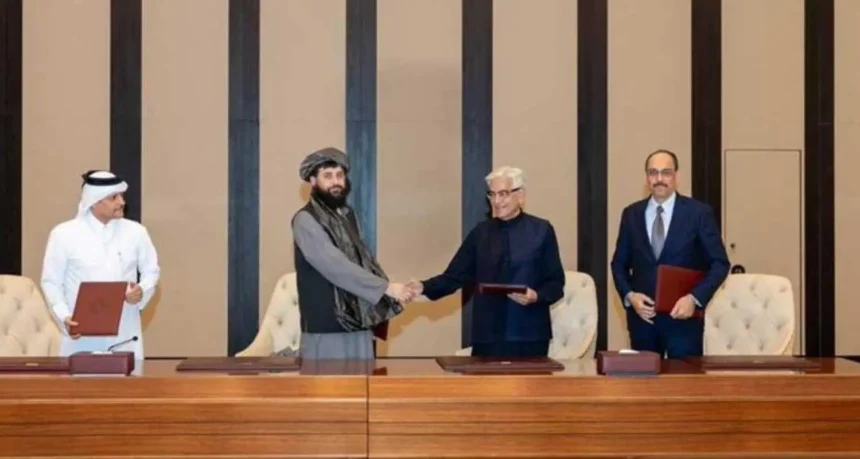
Afghanistan and Pakistan have resumed peace talks in Istanbul, just a day after previous negotiations were declared failed, according to four diplomatic sources cited by Reuters on Thursday.
The renewed dialogue follows Pakistan’s Defence Minister Khawaja Asif’s warning to “obliterate” the Taliban regime if Kabul failed to act against militants using Afghan soil to attack Pakistan.
Turkey and Qatar Step In as Mediators
Three of the sources confirmed that Turkey and Qatar intervened to restart the talks, aiming to prevent further escalation of deadly border clashes that have claimed dozens of lives this month.
A Pakistani security official said Islamabad’s central demand remains unchanged — that the Taliban must take decisive action against the Tehreek-e-Taliban Pakistan (TTP), which Islamabad accuses Kabul of sheltering.
Also Read – Justice Surya Kant Appointed as 53rd Chief Justice of India, To Assume Office on November 24
“Most issues between Pakistan and Afghanistan have been resolved peacefully, but a few Pakistani demands require more time and deliberation,” a source close to the Afghan delegation said.
Afghanistan’s Response to Pakistan’s Allegations
Kabul has consistently denied Islamabad’s allegations, asserting that it does not control the TTP. Afghan Interior Minister Sirajuddin Haqqani urged Pakistan to address its internal security challenges rather than escalating tensions with Afghanistan.
“Any attempt to provoke conflict will cost them dearly,” Haqqani warned in a video message, adding that Afghanistan prefers peaceful engagement but will defend itself if attacked.
Pakistan’s Hardline Position
Defence Minister Asif’s strong remarks came hours after the breakdown of initial peace efforts in Istanbul. Information Minister Attaullah Tarar blamed Kabul for “blame-shifting” and evading crucial issues but said Pakistan remains committed to safeguarding its citizens.
Also Read – Rohit Arya, YouTuber And Teacher, Identified As Mastermind Behind Mumbai Hostage Crisis
Efforts to Prevent Further Violence
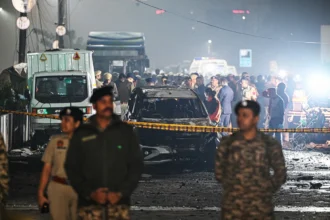
The talks aim to de-escalate the worst border violence since the Taliban’s return to power in 2021, which has left over 70 people dead. Clashes erupted following Pakistani airstrikes targeting TTP leaders, prompting retaliatory attacks along the Durand Line.
Despite an October 19 ceasefire brokered in Doha, violence persisted. Pakistan later announced it had killed Qari Amjad, a deputy leader of the TTP and a U.S.-designated terrorist, marking a major counterterrorism success for Islamabad.