
The ongoing investigation into the Red Fort car blast and its connection to the Faridabad terror module has exposed a disturbing trend — the infiltration of highly educated professionals, including doctors, into extremist networks.
Officials say the case highlights a dangerous new dimension of radicalisation, where educated individuals use professional legitimacy to mask and finance terror operations.
Dr Shaheen Saeed: The Key Financier in the Network
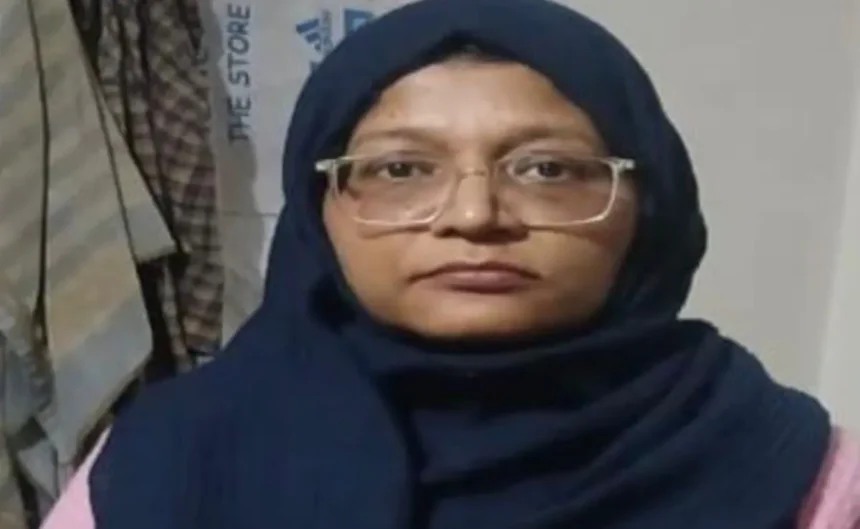
At the centre of the probe is Dr Shaheen Saeed, a medical practitioner from Uttar Pradesh, whose alleged role in funding and facilitating the network has come under sharp scrutiny.
According to top intelligence sources, Shaheen was closely associated with Dr Umar Mohammad, the Pulwama-based doctor believed to have executed Monday’s Red Fort blast, and studied with him at Al-Falah Medical College in Faridabad.
Shaheen also maintained close ties with Dr Muzzamil Shakeel, another key accused from whom major explosive material was recovered earlier. Sources indicate she shared both a personal and operational relationship with Muzzamil, directly linking her to the core group that planned the attack.
Also Read – CCTV Footage Exposes Dr Umar’s Final Moments Before Red Fort Blast
Radicalisation and the ‘Women’s Brigade’
Investigators believe that Dr Shaheen was radicalised under a Jaish-e-Mohammed (JeM) initiative aimed at building a women’s brigade for psychological and recruitment operations in India.
She allegedly supervised the recruitment of women for Jaish’s propaganda and support networks. Intelligence reports suggest that Shaheen made multiple visits to Jammu and Kashmir, where she may have coordinated with operatives linked to the Faridabad cell.
Funding Trail and Financial Links
The probe has revealed that the terror network had pooled between ₹35–40 lakh, much of which was allegedly arranged through Shaheen’s contacts and financial channels.
Officials have traced one of the vehicles used to transport weapons in Faridabad to her name, indicating deeper involvement in logistical operations.
Encrypted communications between Shaheen, Umar, and Muzzamil reportedly took place via medical welfare and NGO platforms, which were later found to be fronts for illicit fund transfers and coordination.
These professional channels allowed the group to operate discreetly, evading financial and intelligence surveillance mechanisms.
Focus on Al-Falah Network in NCR
Investigators are now examining Shaheen’s links to the Al-Falah network in the Delhi-NCR region — believed to be the initial hub of recruitment and ideological indoctrination for several members of the module.
Also Read – Eden Gardens Placed on High Alert Ahead of India–South Africa Test After Delhi Red Fort Blast
Sources suggest that this network propagated extremist narratives under the cover of educational and welfare activities, attracting young professionals from privileged backgrounds.
A Growing Threat of Educated Radicalisation
With the investigation widening, security agencies are deeply concerned over the radicalisation of educated professionals, especially those with social standing and influence.
The alleged involvement of a woman doctor in financing and facilitating terror operations marks a troubling evolution in India’s internal security challenges — signalling a new, covert face of terrorism in the country.